
Case Study · Baby Scales · Public-Health Procurement
Load Cells for Baby Scales: Inside Indonesia’s 300,000-Scale Stunting Program
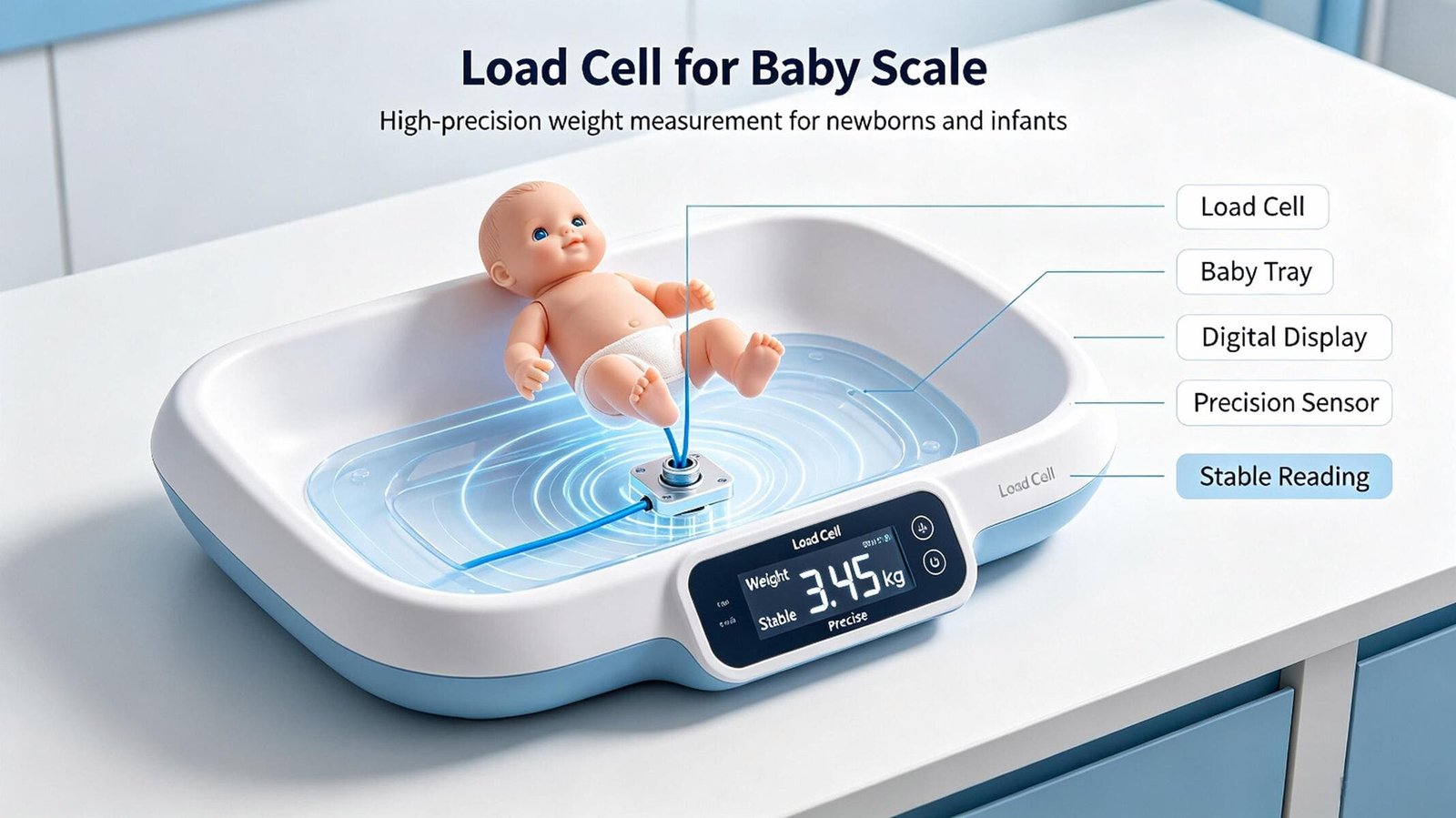
What a government nutrition program taught us about picking a load cell for a baby scale — the 20 kg range, the 10-gram display step, the four-cell corner layout, and the batch-consistency problem that almost sank our first order.
⏱️ 13 min read
👤 By Michael — Export Sales Engineer

1. Why I’m Writing This
I sell load cells for a living — and for the last three years, a surprising share of my orders have gone into machines that weigh babies. Not expensive lab instruments. Plain, tough, battery-powered baby scales that sit on a table in a community health post in the tropics and get used a hundred times a week by people who are not metrology specialists.
That started in 2022, with one project in Indonesia that changed how I think about this market. It taught me that a baby scale load cell is a very different product from an industrial load cell — not harder, just different: smaller capacity, tighter low-end resolution, tougher humidity demands, and a cost target that makes most European suppliers wince.
This article is the story of that project — what the customer asked for, where our first proposal missed, and the spec we finally shipped — plus the selection framework we now use on every baby-scale inquiry. If you build or sell infant scales, this should save you a few of the expensive lessons we paid for.
💡 Key Takeaway
For a baby scale, the load cell is chosen on six numbers: capacity, display step (resolution), corner-load behaviour, zero temperature drift, moisture protection and matched output across a batch. In a big public-health order, that last one — batch consistency — decides whether you ship on time or not at all.
⚙️ Where We Fit (and Where We Don’t)
To be clear about our role: we are a weighing-core supplier. We make and export load cells, force sensors, junction boxes and weighing indicators, and we support OEMs with selection, matching, calibration data and technical service. We do not manufacture baby scales, and we don’t design the cradle, the display firmware or the app. If you’re a scale brand or a contract manufacturer, our job is to give you the sensing core that makes your scale accurate and reliable — the rest of the device stays yours.
📋 What This Article Covers
- Why I’m Writing This
- What a Baby Scale Actually Needs From a Load Cell
- The Demand Story: Indonesia’s Stunting Program
- The Indonesia Project: From Inquiry to 20,000 Cells
- The Hospital-Grade Follow-Up That Changed Our View
- One Cell or Four? Choosing the Weighing Architecture
- Our 7-Step Selection Framework for Baby Scale Load Cells
- Quick-Reference Specification Table
- Seven Mistakes We See in Baby Scale Projects
- Frequently Asked Questions
- Recommended Baby Scale Load Cells
- Let’s Spec Your Weighing Core Together
2. What a Baby Scale Actually Needs From a Load Cell
If you’ve only ever specified load cells for hoppers or truck scales, the baby-scale requirements list reads almost backwards:
- Small capacity, brutal resolution. A typical infant scale reads 0–20 kg with a display step of 5–10 g. That’s a resolution of 1:2000 to 1:4000 on a low-cost sensor — doable, but only if the cell’s linearity and repeatability actually support it at the low end of the range, where a newborn’s 2.8 kg is only 14% of full scale.
- People put babies on it, not bags of cement. The load is gentle, but it’s placed off-centre most of the time. Corner-load error — or a badly matched set of four cells — shows up as a weight that changes depending on where the baby’s head is pointing.
- Battery life matters more than any industrial spec. In many clinics the scale runs on two AA batteries or a rechargeable pack, and nobody wants to change them weekly. Low-power electronics start with a sensor that doesn’t need a hot bridge supply.
- The environment is warm, humid and unglamorous. Think a 35 °C health post with 80% humidity, occasional spills of antiseptic, dust from a dirt road outside. Moisture is the number-one killer of cheap load cells.
- Price is a public-health budget. When a government buys tens of thousands of scales, every cent of sensor cost is multiplied by 40,000. This is the one market where “good enough at a price” is a legitimate engineering goal — not a compromise.
Keep those five constraints in mind — they explain every decision in the project below, and every mistake we watch newcomers repeat.
3. The Demand Story: Indonesia’s Stunting Program
You can’t understand our 2022 project without understanding what was driving it. Indonesia has one of the largest child-nutrition programmes in the world, and it runs on baby scales.
Stunting — chronic malnutrition in the first 1,000 days of life that leaves children permanently short and underdeveloped — was stubbornly common. Indonesia’s national nutrition survey (SSGI) put stunting prevalence at 24.4% in 2021, improving to 21.6% in 2022, against a WHO benchmark of under 20% and a national target of 14% by 2024. The single cheapest early-warning tool for stunting is a growth chart — and a growth chart is worthless without regular, trustworthy weigh-ins.
So the Ministry of Health did something unusual: it bought baby scales at national scale. Public reporting from the programme shows the Ministry distributing around 300,000 anthropometric devices (digital baby scales and measuring tools) to community health posts (posyandu) and health centres (puskesmas) in stages — roughly 1,800 posts reached in 2020, 16,900 in 2021, 34,000+ in 2022, 127,000 in 2023 — with the stated total need across Indonesia’s 300,000+ posyandu estimated at over 310,000 units. In early 2023 the government went further and launched a national monthly weighing movement covering about 300,000 health posts and roughly 14 million children under five.
🌍 Why This Matters Beyond Indonesia
Indonesia is not alone. Several governments in South and Southeast Asia, plus major international nutrition programmes, run the same playbook: detect malnutrition early with routine weighing, and deploy tens of thousands of affordable digital scales through primary-care networks. For load cell suppliers, this is one of the largest recurring demand streams in the light-capacity segment — and it values price, reliability and batch consistency over headline accuracy specs.
The policy encouraged local production: devices supplied under the programme were increasingly made by Indonesian medical-equipment manufacturers rather than imported as finished goods. That created exactly the kind of customer we work with — a local scale maker with a big contract, good assembly capability, and no in-house load cell expertise. In mid-2022, one of them called us.
4. The Indonesia Project: From Inquiry to 20,000 Cells
4.1 The First Call
The inquiry came in as a plain email: “We need load cells for a digital baby scale, 20 kg, about 5,000 units per year. Please quote.” The company was a medical-device manufacturer in Surabaya, East Java, and they had just been awarded a supply contract under the government’s stunting-prevention programme. Their finished scale — tray, display, battery compartment — was already designed. What they lacked was a sensing core they could trust in volume.
On the phone, the engineering manager walked me through their real requirements, which were stricter than the one-line email suggested:
- Rated capacity 20 kg, display step 10 g (they wanted headroom for a 5 g variant later);
- Four load cells per scale, mounted at the corners of a tray roughly 300 × 220 mm;
- Battery powered (two AA cells), so the bridge had to work at a low excitation voltage;
- Operating environment: un-air-conditioned clinics across Java, Sumatra and Sulawesi — 33–38 °C, 80%+ humidity, frequent disinfectant wiping;
- The scale body was sealed, but they wanted a sensor that could survive an occasional splash during cleaning;
- And the one that makes procurement people nervous: a fixed delivery schedule tied to the government’s deployment milestones. Late meant penalties.
4.2 Where Our First Proposal Missed
Our first instinct was to quote our C3 single-point cell — it’s the textbook answer for a platform under ~400 × 400 mm, it handles off-centre loading by itself, and it’s what most Western baby-scale brands use. We sent a sample. The customer tested it, and it was accurate. But two problems came back within a week.
Problem one: cost. A certified C3 stainless single-point cell — even in aluminium — carried a price that, multiplied by four cells’ worth of performance for one scale, blew their target bill-of-materials. This was a public-health tender, not a premium consumer product. Problem two: architecture. Their tray and chassis were already tooled for a four-corner layout with a small central void — designed around a four-cell set, not a single centre cell. Retooling meant delay, and delay was not available.
The right answer was the one they had hinted at all along: four low-cost half-bridge cells, one under each corner, wired in parallel. Four half-bridges average out off-centre loading mechanically, they cost a fraction of one precision single-point cell, and if one cell is damaged in the field, the clinic replaces a cheap corner unit instead of scrapping the scale. The catch — and this is the part nobody talks about in the datasheet — is that the four cells in a set have to behave identically.
4.3 The Problem That Almost Sank the Order: Set Matching
Half-bridge cells are specified with a tolerance band on rated output — typically ±10% or worse for commodity parts. Wire four of them into one bridge and the corner readings can differ by more than the scale’s own error budget. A baby who is placed head-first reads differently from the same baby placed feet-first. That’s not a “calibration issue”; it’s an unusable scale.
Our customer hadn’t thought about this — most first-time buyers haven’t — and honestly, our first production lot didn’t think about it hard enough either. We shipped cells that were within individual spec but not matched to each other. The customer’s QC caught it on their corner-weight test: up to 60–80 g of corner spread on a 5 kg test load, against a 10 g display step. Their tester sent me the numbers with a one-line email: “This doesn’t work.”
That email was the most useful feedback we’ve ever received, because it forced a change we should have made from day one. Here’s what we implemented:
- Output matching at the factory. Every cell is now individually tested for rated output, input resistance and zero balance, then sorted into matched bands. We ship them as four-cell sets with the test data printed on the box — corner spread on a 5 kg load typically under 20 g, verified before packing.
- A wiring and corner-trim guide for their line. Four half-bridges need correct polarity and a sensible corner-adjustment routine (either trim resistors or a corner-calibration step in firmware). We wrote them a one-page method and a matching wiring diagram instead of assuming they’d know it.
- Batch-level temperature sampling. For a programme shipping to the tropics, we added a zero-drift sample check per batch at 35–40 °C, so a warm storage room or a hot clinic doesn’t produce a scale that creeps while the baby is on it.
- Humidity protection as standard. Standard manganese-steel cells with a simple galvanised finish will corrode over a few humid years. We offered an optional protective treatment and sealing, and specified the cable-entry seal the customer should use in their chassis to stop moisture wicking up the lead.
✅ What Shipped — and What It Taught Us
We ended up supplying just over 20,000 matched half-bridge cells in the first 18 months — roughly 5,000 four-cell scale sets — plus the matching service and test documentation. Field returns ran under 0.3%. The lesson we now apply to every multi-cell project: in a four-cell scale, the set is the product, not the individual sensor. Spec the set, test the set, and ship the set with its own data.
5. The Hospital-Grade Follow-Up That Changed Our View
A year later, the same customer came back with a second requirement — a higher-tier scale for puskesmas and hospital maternity wards. Same 20 kg range, but they wanted a 5 g display step, a slimmer platform profile, and better long-term stability for scales that get calibrated once a year instead of once a month.
This time we didn’t reach for a single-point cell either. We recommended three or four planar (flat) beam cells under the tray. Planar beams give the ultra-low profile the customer wanted, they mount directly under a flat tray without load buttons or feet, and because they’re used in sets they share the same corner-averaging logic as the half-bridge design — but with better linearity and a tighter output tolerance, which is what a 5 g step demands.
That project confirmed a rule we now quote to every scale OEM: don’t pick a sensor family first — pick the performance tier you’re selling, then let that decide single-point versus multi-cell. Consumer and community tiers live happily on four half-bridges. Professional and hospital tiers move up to planar beams or a precision single-point cell. Trying to make one cell family serve both tiers usually ends in either overpaying or under-delivering.
6. One Cell or Four? Choosing the Weighing Architecture
Every baby-scale conversation eventually comes down to this fork in the road. Here’s how we present it to customers — honestly, because we sell both:
| Decision Factor | Single-Point Cell (1 pc) | 4 × Half-Bridge (set) | 3–4 × Planar Beam (set) |
|---|---|---|---|
| Typical tier | Hospital / professional | Consumer / community / tender | Mid & hospital tiers, slim trays |
| Off-centre handling | Built into one cell | Mechanical averaging — needs matched set | Mechanical averaging — needs matched set |
| Relative cost per scale | High (one precision cell) | Lowest | Low–medium |
| Platform height | Moderate (mounting hardware) | Low–moderate | Ultra-low (mounts flat) |
| Field repair | Replace the one cell + recalibrate | Cheap corner unit replacement | Cheap corner unit replacement |
| Watch out for | Cost; stock a spare for warranty | Set matching, wiring polarity, corrosion | Set matching; needs flat rigid tray |
One more architectural note: in four-cell scales the cells are usually connected in parallel directly to the ADC on the scale’s PCB — most modern scale chips (like the ubiquitous HX711-class ADCs) accept this happily. That’s why a four-cell baby scale rarely needs a junction box or an external indicator; the “weighing core” here is the matched sensor set plus a wiring/trimming specification. For larger or multi-scale installations that do need summing and a display, we supply junction boxes and indicators — but for a single tray, keep it simple.
7. Our 7-Step Selection Framework for Baby Scale Load Cells
We use the same seven questions on every baby-scale inquiry. If you answer them before you ask for quotes, you’ll be amazed how much faster the whole process goes:
- What is the maximum weight the scale must show? Newborn-only scales often stop at 10–15 kg; growth-tracking scales go to 20 kg; combined mother-and-baby scales go to 150 kg+. Set the rated capacity at 1.2–1.5× the maximum display weight.
- What display step do you need — and is it honest? 10 g for community use, 5 g for hospital use. Check that the sensor’s repeatability and the ADC resolution genuinely support that step at low load — a 10 g step on a 20 kg cell means the electronics must resolve ~0.05% of range.
- What is the tray size and mounting layout? Under roughly 400 × 400 mm with a central mount → single-point. Flat tray, low profile, or cost-sensitive → four half-bridges or planar beams in a set.
- Where will the scale live, and for how long? Humid clinic → specify sealing, protective finish, and a moisture-resistant cable entry. Ask for the cell’s temperature-compensated range and its zero-drift behaviour — not just the datasheet’s pretty accuracy number.
- How is it powered? Battery-powered scales want low excitation (2–5 VDC works well) and sensors whose output is clean at low supply. Don’t let a supplier talk you into a 10 V industrial cell for a two-AA device.
- What happens in the field when a corner reads high? Plan the corner-trim method now: trim resistors, or a firmware corner-calibration step. For four-cell sets, require factory output matching and ask for the set’s test data.
- How many units, and over what schedule? Volume changes everything — matched-set packing, batch test reports, and a delivery plan tied to your production line are as important as the sensor’s spec. Ask your supplier to commit to batch consistency, not just a sample.
⚠️ The “Pseudo-Precision” Trap
A scale that displays 5 g steps but drifts 40 g when the clinic warms up in the afternoon is worse than an honest 10 g scale. When a customer tells us the display step they want, we always ask what real-world repeatability they need — display step, temperature behaviour and corner performance have to be specified together, or you’ll chase a number on the label that the device can’t deliver.
8. Quick-Reference Specification Table
A condensed starting point we hand to scale OEMs. Treat it as a checklist, not a datasheet — your target market’s regulations (and your chosen cell family) will refine it:
| Parameter | Community / Consumer Tier | Hospital / Professional Tier |
|---|---|---|
| Capacity | 20 kg (typical growth scale) | 10–20 kg |
| Display step | 10 g | 5 g |
| Cell arrangement | 4 × half-bridge, factory-matched set | 3–4 × planar beam, or precision single-point |
| Rated output tolerance (set) | Matched within ±2% of set average | Matched within ±1% |
| Excitation | 2–5 VDC (battery-friendly) | 5–10 VDC |
| Temp. compensated range | At least −10 to +40 °C; verify TC₀ | −10 to +40 °C, tighter TC₀ |
| Moisture protection | Sealed cable entry + protective finish | IP65-rated cell or sealed enclosure |
| Batch deliverables | Matched sets + test data per box | Matched sets + batch report + calibration traceability |
9. Seven Mistakes We See in Baby Scale Projects
Some of these we made ourselves; the rest we’ve watched customers make. All seven are avoidable:
- Buying loose cells instead of matched sets. For a four-cell scale this is the single biggest error. A “±10% output” part is fine individually and wrong in a bridge. Demand matched sets with test data.
- Rating the scale from the display step, not real repeatability. Fancy resolution doesn’t fix drift, creep or corner error. Specify the whole chain: cell + ADC + housing stiffness.
- Ignoring the tropics. A cell that passes QC in a 22 °C factory may drift in a 38 °C clinic. Ask for temperature behaviour, not just a temperature range on paper.
- Cheaping out on cable-entry sealing. The most common premature failure in humid markets is moisture wicking up the cable into the cell. A drip loop and a proper grommet cost cents and save years.
- No corner-trim plan before mass production. If your firmware or your trim resistors aren’t ready, matched cells won’t save you. Prepare the corner-calibration step when you design the PCB, not when the first 1,000 units fail QC.
- Specifying a single-point cell because “it’s what the big brands use.” Big brands also sell at different price points and tool their own platforms. Match the architecture to your tray, your BOM target and your service plan — not to someone else’s product photo.
- Forgetting the people who use it. In community programmes the operator is a health worker with a queue of mothers behind her. The scale needs a stable reading fast (hold function), a simple tare, and a battery that lasts. Sensor suppliers who understand that help design a better product than suppliers who only read spec sheets.
10. Frequently Asked Questions
What load cell capacity should a baby scale use?
Most infant and toddler growth scales use 10–20 kg rated capacity — 20 kg covers a child up to roughly age two while keeping the sensor working in its most accurate band for newborns. If the same device weighs mothers too, plan a separate higher-capacity cell or a 150 kg-rated platform instead of overloading a 20 kg cell.
How accurate does a baby scale load cell need to be?
For a 10 g display step on a 20 kg scale, the sensor chain needs to resolve about 0.05% of range repeatably. Most quality half-bridge and planar-beam cells in the 0.02–0.05% combined-error class support this when used in a matched set. Hospital tiers aiming for 5 g steps should move to planar-beam or single-point cells with tighter output matching.
One load cell or four for a baby scale?
Four corner-mounted cells (half-bridge or planar beam) are usually the better choice for cost-sensitive and low-profile designs: they average out off-centre loading and are cheap to replace in the field. A single precision single-point cell suits smaller trays or high-accuracy professional scales. The table in section 6 walks through the trade-offs.
Why does my four-cell scale read differently when I press different corners?
That’s a corner-load error, and it usually means the four cells are not electrically matched (rated output or input resistance differ), the wiring polarity is wrong, or the corner-trim step hasn’t been done. Buy factory-matched sets and run a corner-adjustment routine — trim resistors or a firmware corner-calibration — before mass production.
Can a standard body-scale load cell work in a baby scale?
Mechanically, yes — many low-cost designs share the same half-bridge cells. But a baby scale adds two demands a bathroom scale doesn’t always face: a genuine 10 g (or 5 g) display step at low weight, and use in humid clinic environments where cleaning fluids and moisture are constant. Confirm the cell’s low-end repeatability and specify moisture protection; don’t assume a commodity part covers both.
What certifications apply to baby scale load cells?
It depends on how the finished scale is sold. Scales sold for clinical use in regulated markets are subject to the device regulations of the destination market (for example IEC 60601-1 electrical safety and applicable EMC standards in Europe), which the scale manufacturer must manage. If the scale is a legal-for-trade weighing instrument, OIML/NAWI requirements apply to the complete instrument. The load cell itself typically ships with RoHS/REACH compliance and manufacturer test data; your regulatory consultant should confirm the classification for your target market.
11. Recommended Load Cells for Baby & Infant Scales
These are the five cell families we reach for most often when a baby-scale OEM or a public-health tender comes to us. Each one maps to a role in the case studies above — so if your project looks familiar, you already have a proven starting point. Click through to the product page for full datasheets and dimension drawings.
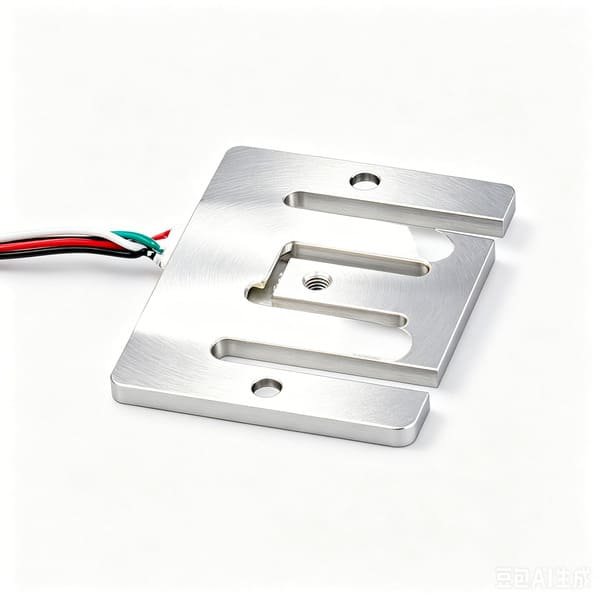
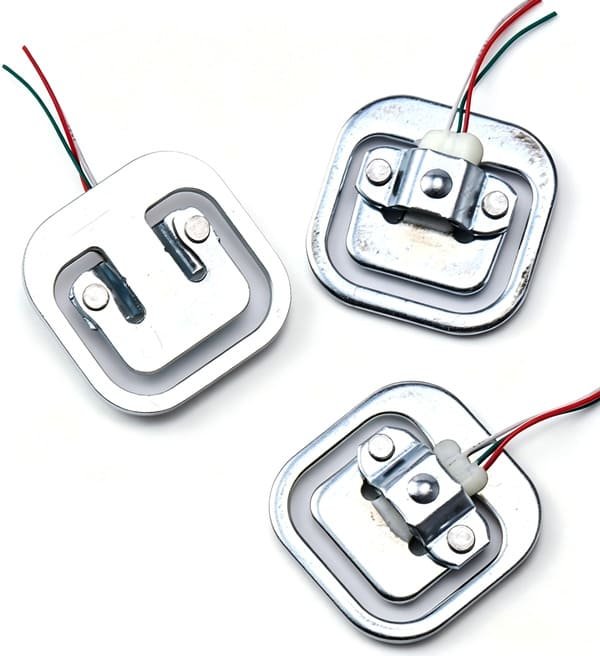
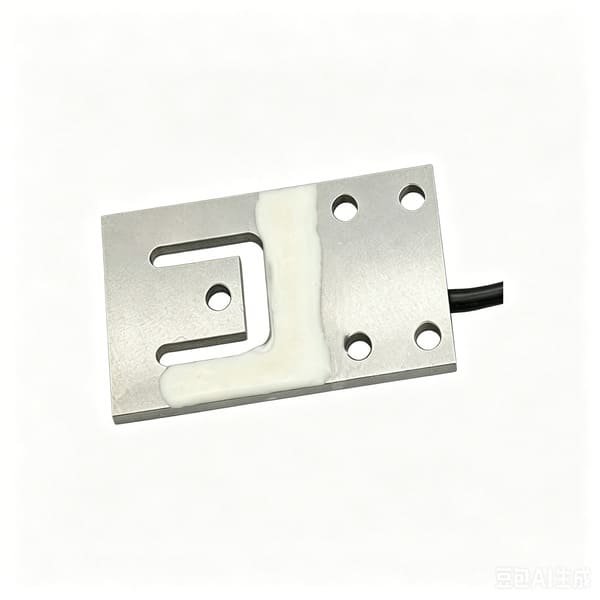
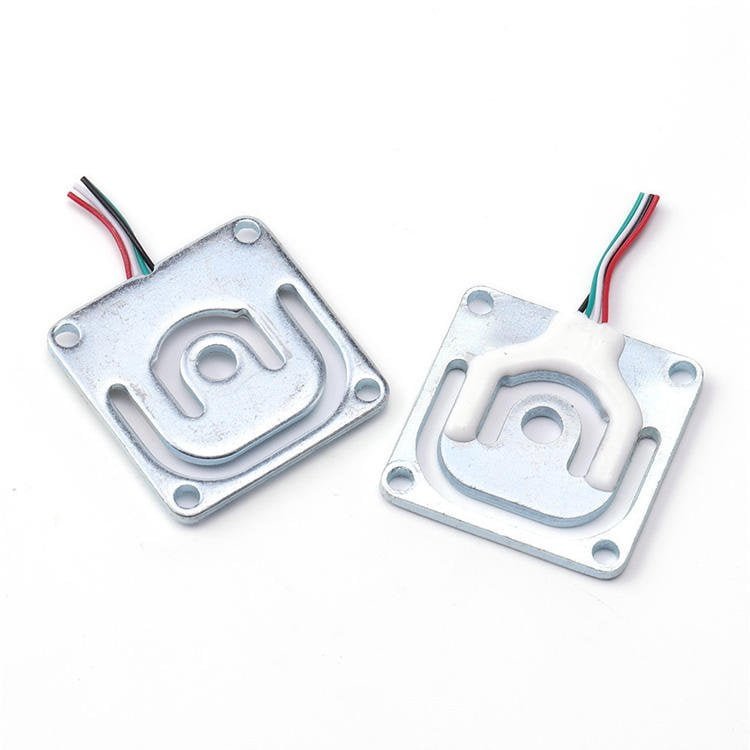
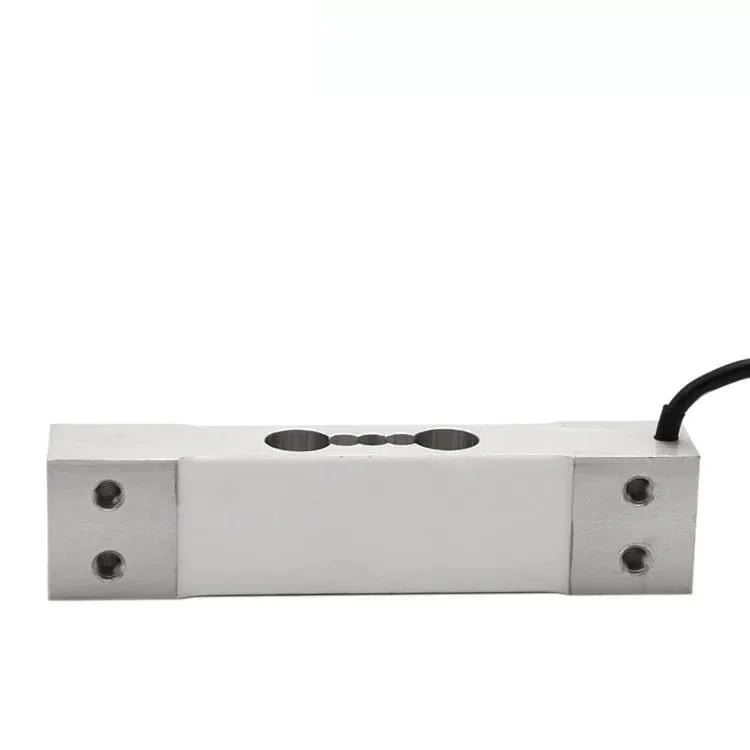
💡 Not sure which one fits your tender or product line? These five cover the most common baby-scale scenarios, but every programme has its own target price, tray size and climate. Send us your specification or a sample drawing — we’ll recommend a cell family, provide matched-set samples for corner testing, and share the batch test data you need for a government or hospital submission. No device-design work required from you beyond the scale itself.
Let’s Spec Your Baby Scale Weighing Core
Whether you’re quoting a government tender or launching a consumer infant scale, the conversation starts the same way: tell us your target capacity, display step, tray size and annual volume. We’ll recommend the right cell family — single-point, half-bridge set or planar-beam set — with matched-set samples, corner-test data and batch consistency you can build a production line around. We supply the weighing core; you build the scale, the brand and the programme.
📩 Send us your requirements and we’ll reply within 24 hours.